Introduction
Fencing has actually been an important part of residential architecture in Melbourne for centuries. It not only serves a functional purpose however likewise adds to the visual appeal of homes. The history and development of property fencing in Melbourne is an interesting journey that shows the city's cultural, financial, and social developments. This post dives deep into this advancement, checking out various materials, styles, policies, and trends that have actually shaped the fencing landscape in Melbourne.
Fencing Melbourne: A Historic Perspective
The Early Years: Native Practices
Before European settlement, Australia's Native peoples utilized natural barriers for security and delineation. They used native plants to create natural limits for their neighborhoods. These practices set the stage for future developments in fencing.
Colonial Impact: The Intro of Formal Fencing
With European colonization in the 1830s, official fencing started to take shape. Early settlers built wood fences mainly made from in your area sourced wood. These fences were frequently simplistic but served their purpose effectively.
The Victorian Period: Ornate Designs and Iron Fences
The Victorian era brought about significant modifications in architectural styles across Melbourne. Fencing ended up being more decorative during this time. Ornate wrought iron fences became popular, reflecting the wealth and status of homeowners.
Post-War Boom: Standardization and Affordability
After World War II, Melbourne experienced a real estate boom that led to a need for standardized fencing solutions. This period marked the intro of pre-fabricated panels made from products like Colorbond steel, providing economical options for homeowners.
Types of Fencing Products Used in Melbourne
Wooden Fencing: Ageless Charm
Wooden fences have actually long been preferred for their natural beauty and flexibility. From picket fences in front yards to solid timber panels for privacy, wood remains a popular option amongst residents.
Advantages of Wood Fencing
- Aesthetic Appeal Customizable Designs Environmental Sustainability
Disadvantages of Wood Fencing
- Susceptibility to Weather condition Damage Maintenance Requirements
Colorbond Steel: Modern Durability
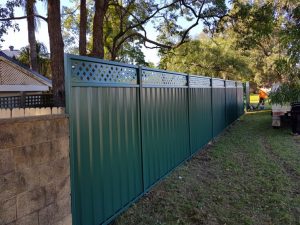
Colorbond steel has actually reinvented fencing options in Melbourne due to its resilience and low upkeep requirements. Offered in different colors and designs, it has become a favored alternative for modern-day homes.
Pros of Colorbond Steel
- Long-lasting Fire-resistant Minimal upkeep
Cons of Colorbond Steel
- Limited insulation properties Noise transmission
Brick Fencing: Strength Fulfills Elegance
Brick fences provide unparalleled strength while supplying a classy appearance that can complement any home design. Their toughness makes them ideal for long-lasting use.
Benefits of Brick Fencing
- High durability Excellent thermal insulation Low maintenance
Drawbacks of Brick Fencing
- Higher initial costs Labor-intensive installation process
Vinyl Fencing: The Alternative Option
Vinyl fencing is gaining traction as a versatile alternative to standard products. Its resistance to weather conditions makes it an appealing choice for lots of homeowners.
Pros of Vinyl Fencing
- Requires very little maintenance Resistant to rot and pests Variety of designs available
Cons of Vinyl Fencing
- Less structural strength compared to wood or brick Can fade gradually with sun exposure
Influential Design Patterns Over the Years
Minimalism: Accepting Simplicity
In current years, minimalistic designs have acquired popularity amongst house owners looking for tidy lines and simple aesthetic appeals without unneeded embellishments.
Eco-Friendly Solutions: Sustainability Matters
As environmental issues grow, more citizens are going with sustainable fencing services such as recycled materials or eco-friendly wood treatments.
Smart Innovation Integration: The Future Is Here
Smart innovation is making its way into domestic fencing with functions like automated gates and monitoring systems using enhanced security measures.
Regulations Surrounding Residential Fencing in Melbourne
Understanding local guidelines is important when considering brand-new fence setups or modifications:
Height Constraints: What You Required to Know
Most local councils enforce restrictions on fence heights. Normally, front fences are limited to 1.2 meters while side or rear fences might increase to 2 meters high without requiring permits.
Boundary Factors to consider: Neighborly Relations Matter
When putting up a fence along property limits, it's important to seek advice from next-door neighbors ahead of time-- this not only promotes good relations however also ensures compliance with local laws regarding shared boundaries.
The Cultural Significance of Residential Fencing in Melbourne
Fences not just work as physical barriers but likewise reflect cultural identities within communities:
Community Identity Through Style Choices
Different areas within Melbourne display distinct architectural styles affected by cultural backgrounds-- these variations often extend into fencing designs showcasing variety throughout communities.
Fences as Signs of Status
In certain neighborhoods where affluence is prevalent, elegant fencing designs serve as subtle signs about wealth-- ornate ironwork or high stone walls may symbolize eminence while contributing visually pleasing streetscapes.
FAQs About Residential Fencing in Melbourne
What are the most typical kinds of domestic fencing utilized in Melbourne?- The most common types consist of wood fences, Colorbond steel panels, brick walls, and vinyl options.
- Consider factors like budget plan restraints, needed durability levels based on place (e.g., seaside vs inland), visual appeal preferences lined up with home design style etc.
- Yes! Heights vary depending upon area; typically front fences can not go beyond 1.2 m while side/rear can reach up-to 2m.
- In lots of cases yes-- especially if you're changing existing structures or exceeding basic height limitations.
- Eco-friendly alternatives consist of utilizing recycled products or sustainably sourced woods treated responsibly reducing environmental impact.
6. How does wise innovation incorporate with modern property fences?
- Smart systems can consist of automated gates managed through smartphone apps enhancing convenience & & precaution through integrated surveillance features!
Conclusion
Fencing plays an essential role not simply as a limit marker however likewise as a component contributing significantly towards community looks & & security steps alike! Understanding its development assists us value how far we've come-- from indigenous practices using natural barriers all those years earlier-- to today's elaborate styles integrating sophisticated innovations promoting sustainability together with tradition! As we look ahead into future patterns shaping this landscape further down the line-- you can wager that "Fencing Melbourne" will continue developing harmoniously showing society's changing worths & & preferences!